Managing Hypertension: What Every Nigerian Needs to Know
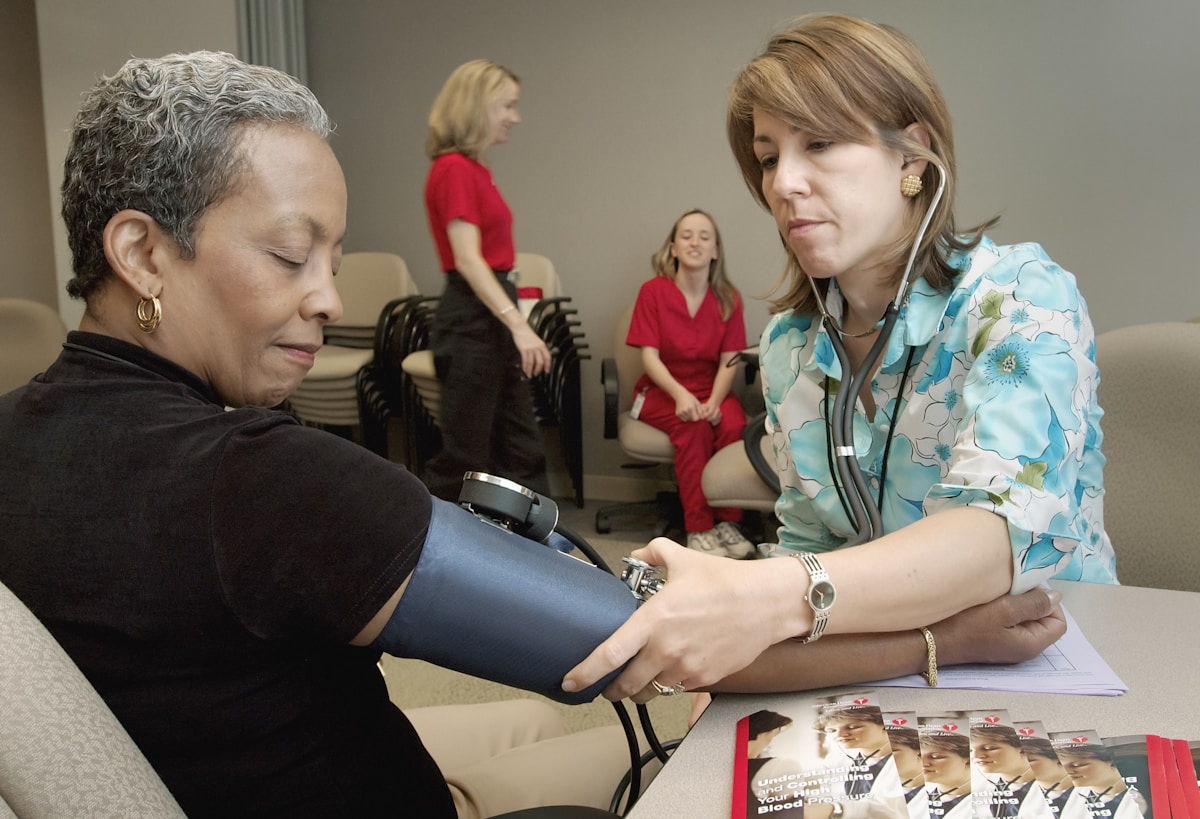
High blood pressure is the silent killer affecting millions of Nigerians. Learn how to recognise it, manage it, and when to seek urgent care.
Hypertension — commonly called high blood pressure — is one of the most widespread health conditions in Nigeria, yet most people who have it do not know. It earns its reputation as the "silent killer" because it causes no obvious symptoms until it has already damaged the heart, kidneys, or brain.
According to Nigerian health surveys, at least one in three adults is affected. The combination of salty diets, stress, physical inactivity, and limited access to regular check-ups makes our population especially vulnerable.
What Is a Dangerous Blood Pressure Reading?
Normal blood pressure sits at or below 120/80 mmHg. Readings consistently at or above 140/90 mmHg indicate hypertension. A reading above 180/120 mmHg is a hypertensive crisis — this requires emergency care immediately.
- Normal: 120/80 mmHg or below
- Elevated: 121–129 systolic (top number)
- Stage 1 hypertension: 130–139 / 80–89 mmHg
- Stage 2 hypertension: 140/90 mmHg or higher
- Hypertensive crisis: 180/120 mmHg or higher — go to emergency now
Why Most Nigerians Don't Know They Have It
Hypertension typically causes no pain or obvious symptoms. Some people notice headaches, blurred vision, or nosebleeds — but these often appear only when blood pressure is dangerously high. The only reliable way to know your status is regular blood pressure measurement.
At Promise Medical Centre, a blood pressure check takes under two minutes and is included in every consultation. We encourage patients of all ages — not just the elderly — to have this checked regularly.
Managing Hypertension Day-to-Day
- Reduce salt: Limit added salt and avoid processed foods, stock cubes, and canned goods high in sodium
- Eat more vegetables and fruits: Potassium-rich foods like bananas, tomatoes, and leafy greens help lower blood pressure
- Exercise regularly: Even 30 minutes of brisk walking five days a week makes a measurable difference
- Limit alcohol: Heavy drinking raises blood pressure significantly
- Stop smoking: Nicotine constricts blood vessels and spikes blood pressure immediately after each cigarette
- Manage stress: Chronic stress keeps blood pressure elevated — rest, sleep, and social support all matter
- Take your medication: If prescribed, do not stop your medication when you feel better — hypertension requires ongoing treatment
When to Come to PMC Immediately
Go to our emergency unit right away if you or someone near you experiences a sudden severe headache, vision changes, chest pain, difficulty breathing, confusion, or weakness on one side of the body. These may signal a hypertensive emergency, stroke, or heart attack.
Book a Blood Pressure Check Today
If you have not had your blood pressure checked in the past 12 months, book an appointment at either of our locations in Agege, Lagos or Ota, Ogun State. Early detection is the most powerful weapon against hypertension.